

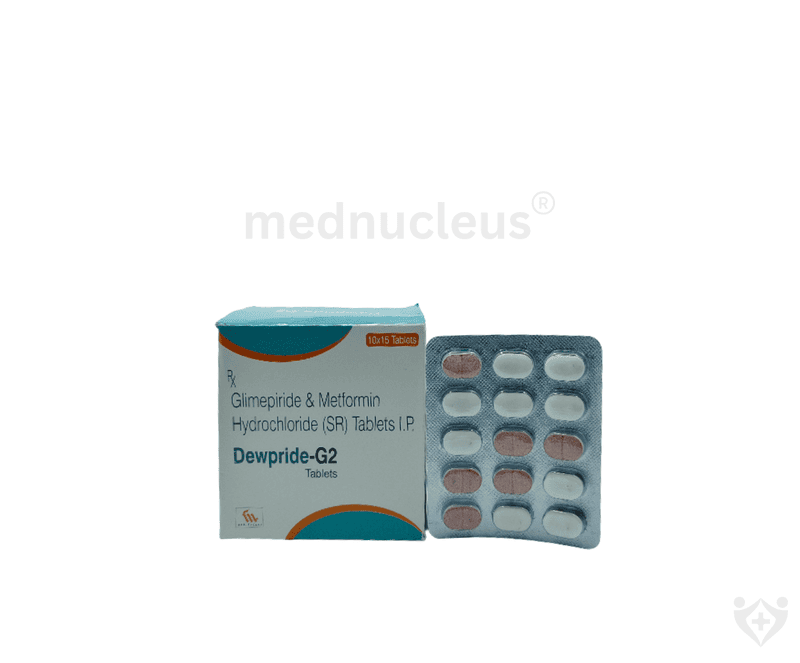


Category Name Cardio-Diabetic — Oral Antidiabetic Combination (Sulfonylurea + Biguanide)
Common Indications Dewpride G2 Tablet is used in the management of:
- Type 2 Diabetes Mellitus in adults where diet, exercise, and lower-dose therapy are insufficient to achieve adequate blood sugar control
- Hyperglycemia requiring a higher-strength dual oral antidiabetic combination
- Long-term glycemic control to help reduce the risk of diabetes-related complications such as cardiovascular disease, kidney damage, and nerve injury
- As an adjunct to lifestyle modifications including a balanced diabetic diet and regular physical activity
This medicine is not indicated for Type 1 Diabetes Mellitus or diabetic ketoacidosis.
Common Dosing
- Standard Adult Dose: One tablet once or twice daily, with meals, as directed by your doctor
- Higher Strength Formulation: Dewpride G2 contains Glimepiride 2 mg — a higher dose than G1 — and is prescribed when blood sugar targets are not met with lower-strength therapy
- Dose Adjustment: Your doctor will periodically review and titrate the dose based on HbA1c levels, fasting blood glucose readings, and individual tolerability
- Missed Dose: If a meal is skipped, do not take the tablet for that meal to avoid the risk of hypoglycemia
Always follow your doctor's prescribed dose and duration. Never self-adjust the dose.
Common Side Effects Most side effects are manageable and tend to improve with continued use. These may include:
- Hypoglycemia (low blood sugar) — the most clinically significant side effect; symptoms include sweating, shakiness, dizziness, palpitations, and confusion. Risk is higher with the 2 mg Glimepiride strength
- Nausea
- Diarrhea
- Headache
- Stomach discomfort or loss of appetite, particularly during the initial weeks of therapy
Seek immediate medical attention if you experience:
- Severe or recurrent hypoglycemic episodes
- Unusual muscle pain, difficulty breathing, stomach pain, or extreme weakness — possible signs of lactic acidosis, a rare but serious condition associated with Metformin
- Yellowing of the skin or eyes, or dark-coloured urine, which may indicate liver involvement
Report any persistent or worsening side effects to your doctor promptly.
Common Interactions Inform your doctor or pharmacist about all medications, supplements, and herbal products you are currently taking. Notable interactions include:
- Other Antidiabetic Drugs or Insulin — Concurrent use significantly increases the risk of hypoglycemia, particularly at this higher Glimepiride dose; close and regular blood glucose monitoring is essential
- Alcohol — Enhances both the risk of hypoglycemia and lactic acidosis with Metformin; strictly avoid alcohol during treatment
- Corticosteroids (e.g., Prednisolone, Dexamethasone) — May counteract the blood sugar-lowering effect, causing hyperglycemia; dose adjustment may be required
- Diuretics (e.g., Furosemide, Hydrochlorothiazide) — May impair glycemic control and elevate blood glucose levels
- Oral Contraceptives — May reduce the antidiabetic effectiveness of this combination; more frequent blood glucose monitoring is advised
- Beta-Blockers (e.g., Atenolol, Propranolol) — May mask early warning signs of hypoglycemia such as rapid heartbeat and tremors, making low blood sugar harder to detect and manage
Special Instructions
| Condition | Guidance |
|---|---|
| 🤰 Pregnancy | Dewpride G2 is not recommended during pregnancy. Uncontrolled blood sugar poses serious risks to both mother and baby. Insulin remains the preferred and safer option for managing diabetes during pregnancy. Consult your doctor immediately if you are pregnant or planning to conceive. |
| 🤱 Breastfeeding | This medication may be unsafe during breastfeeding. Both Glimepiride and Metformin may pass into breast milk and could affect the nursing infant. Consult your doctor for a suitable and safer alternative while breastfeeding. |
| 🍺 Alcohol | Alcohol is strictly unsafe with this medication. It significantly amplifies the blood sugar-lowering effect of Glimepiride, increasing hypoglycemia risk, and raises the risk of lactic acidosis with Metformin. Avoid alcohol completely during the course of treatment. |
| 🚗 Driving | This medicine may impair your ability to drive safely if blood sugar levels drop too low or rise too high. Always check your blood glucose before driving. Do not drive or operate heavy machinery if you experience dizziness, confusion, trembling, or any other symptoms suggestive of hypoglycemia. |
| 🫀 Liver Disease | This medication is unsafe in patients with liver disease and should be avoided. Impaired liver function increases the risk of lactic acidosis with Metformin and unpredictable blood glucose fluctuations with Glimepiride. Your doctor will advise an appropriate alternative. |
| 🫘 Kidney Disease | This medication is unsafe in patients with significant kidney disease and should be avoided. Metformin is contraindicated in renal impairment due to the risk of potentially fatal lactic acidosis from drug accumulation. Kidney function should be assessed before initiating and monitored regularly during therapy. |
Mechanism of Action Dewpride G2 Tablet combines two antidiabetic agents that work through distinct but synergistic mechanisms to achieve comprehensive blood glucose control:
- Glimepiride 2 mg (Sulfonylurea): Stimulates the pancreatic beta cells to produce and secrete a greater amount of insulin in response to meals. At this higher dose, it provides a more pronounced insulin-secretory effect compared to the 1 mg formulation. It also enhances the sensitivity of peripheral tissues (muscles and fat) to the action of insulin, facilitating more efficient glucose uptake from the blood
- Metformin 500 mg (Biguanide): Works through three complementary actions — suppressing excess hepatic glucose production (gluconeogenesis), slowing the rate of glucose absorption from the intestines into the bloodstream, and improving insulin sensitivity at the cellular level. Importantly, Metformin does not stimulate insulin release on its own and therefore has a low standalone risk of causing hypoglycemia
Together, they deliver a powerful dual-action approach — driving insulin secretion while simultaneously reducing glucose input and improving insulin utilization — resulting in effective and sustained glycemic control appropriate for patients requiring a higher-strength regimen.
Instructions to Take
- Take this tablet with or just before a meal to minimize the risk of stomach upset and hypoglycemia
- Do not skip meals after taking this medicine — eating is essential to prevent a dangerous drop in blood sugar levels
- Swallow the tablet whole with a full glass of water — do not crush or chew unless specifically advised by your doctor
- Take it at the same time every day to maintain stable and consistent blood glucose control
- Monitor your blood sugar regularly as directed by your doctor and keep a log to share at follow-up appointments
- Always carry a fast-acting sugar source (glucose tablets, fruit juice, candy, or sugar sachets) in case of a hypoglycemic episode
- Do not discontinue this medicine abruptly without consulting your doctor — diabetes is a chronic condition requiring continuous, uninterrupted management
- If you miss a dose at mealtime, skip it entirely for that meal — never take a double dose to compensate
- Store in a cool, dry place away from direct sunlight and moisture. Keep out of reach of children
This information is intended for general reference purposes only and should not be used as a substitute for professional medical advice, diagnosis, or treatment. Always consult a qualified healthcare professional before starting, changing, or stopping any medication.

