

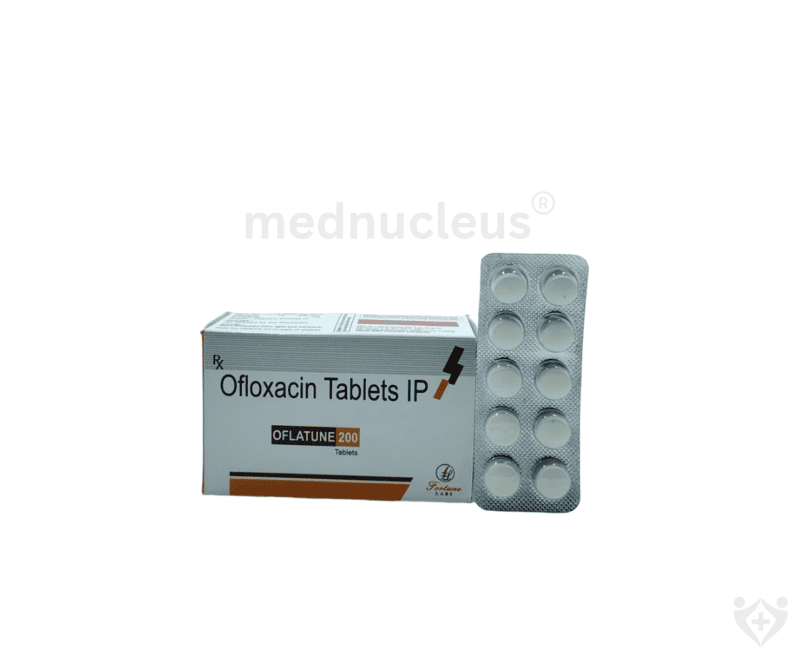
Category Name Anti-Infectives — Fluoroquinolone Antibiotic
Common Indications
- Urinary tract infections (UTIs) — uncomplicated and complicated
- Respiratory tract infections — bronchitis, pneumonia, sinusitis
- Sexually transmitted infections — Gonorrhoea, Chlamydia
- Skin and soft tissue infections
- Ear and eye infections (otitis externa, conjunctivitis)
- Enteric fever and gastrointestinal infections
- Bone and joint infections caused by susceptible Gram-negative organisms
- Prostatitis
Common Dosing
- Standard Adult Dose: 200–400 mg twice daily, with or after food, or as prescribed
- UTI (Uncomplicated): 200 mg twice daily for 3–7 days
- Respiratory Infections: 400 mg twice daily for 7–14 days
- Duration: As prescribed — complete the full course
Always follow your doctor's prescribed dose and duration.
Common Side Effects
- Nausea, vomiting, and diarrhoea
- Headache and dizziness
- Skin rash or itching
- Insomnia or restlessness
- Photosensitivity (increased sensitivity to sunlight)
- Tendon pain (rare — particularly Achilles tendon)
Seek immediate attention for:
- Tendon rupture or severe tendon pain
- Severe allergic reactions
- Seizures or confusion (CNS effects — rare)
Common Interactions
- Antacids, Iron, Zinc, Calcium — Significantly reduce Ofloxacin absorption; separate by at least 2 hours
- NSAIDs — Increased seizure risk with concurrent fluoroquinolone use
- Warfarin — May enhance anticoagulant effect; monitor INR
- Theophylline — Ofloxacin may increase Theophylline levels and toxicity
- QT-prolonging drugs — Additive cardiac risk; use caution
Special Instructions
| Condition | Guidance |
|---|---|
| 🤰 Pregnancy | Not recommended. Fluoroquinolones may affect fetal cartilage development. |
| 🤱 Breastfeeding | Not recommended. Passes into breast milk. |
| 🍺 Alcohol | Avoid. May worsen dizziness and CNS side effects. |
| 🚗 Driving | May cause dizziness and impaired alertness. Avoid driving if affected. |
| 🫀 Liver Disease | Use with caution in severe liver disease. |
| 🫘 Kidney Disease | Dose reduction required in significant renal impairment. |
Mechanism of Action Ofloxacin is a broad-spectrum fluoroquinolone antibiotic that inhibits bacterial DNA gyrase and topoisomerase IV enzymes. These enzymes are essential for bacterial DNA replication, transcription, and repair. By blocking these enzymes, Ofloxacin causes double-strand DNA breaks, leading to rapid bactericidal activity against a wide range of Gram-positive and Gram-negative organisms, as well as atypical pathogens.
Instructions to Take
- Take with or after food to minimize GI discomfort
- Swallow whole with a full glass of water
- Avoid antacids, iron, zinc, or calcium within 2 hours of each dose
- Avoid prolonged sun exposure — use sunscreen if outdoors
- Stay well hydrated throughout treatment
- Complete the full prescribed course
- Do not take double doses if a dose is missed
This information is intended for general reference purposes only and should not be used as a substitute for professional medical advice, diagnosis, or treatment. Always consult a qualified healthcare professional before starting, changing, or stopping any medication.

