

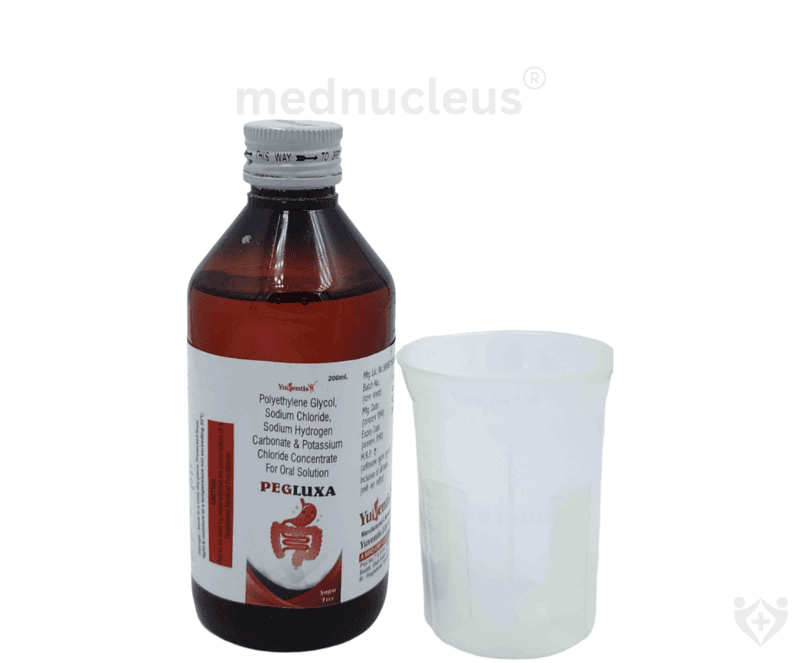
Category Name Gastroenterology — Osmotic Laxative / Bowel Preparation Solution
Common Indications
- Constipation — chronic and occasional
- Bowel preparation prior to colonoscopy, sigmoidoscopy, or colorectal surgery
- Faecal impaction management
- Maintenance of regular bowel movements in patients with chronic constipation
- Bowel cleansing before radiological procedures requiring a clear intestinal field
Common Dosing
- For Constipation: 10–20 ml once or twice daily in water, or as directed by your doctor
- For Bowel Preparation: As per the specific protocol prescribed by your doctor — typically higher volumes consumed over several hours the day before the procedure
- Dilute in a full glass of water before drinking
- Stay well hydrated throughout use — drink plenty of fluids
Always follow your doctor's prescribed preparation protocol and dose.
Common Side Effects
- Abdominal bloating and cramping
- Nausea
- Flatulence (gas)
- Diarrhoea (expected effect for bowel preparation use)
- Electrolyte imbalance with prolonged or excessive use (rare)
Common Interactions
- Oral medications taken around preparation time — bowel preparation may reduce absorption of oral drugs; take other medicines at least 1 hour before starting the solution
- Diuretics or cardiac medications — Electrolyte shifts from bowel prep may interact; inform your doctor of all current medications
Special Instructions
| Condition | Guidance |
|---|---|
| 🤰 Pregnancy | Generally considered safe for short-term use in constipation. Consult your doctor before use. |
| 🤱 Breastfeeding | Generally considered safe. Minimal systemic absorption. Consult your doctor. |
| 🍺 Alcohol | Avoid alcohol, especially around bowel preparation procedures. |
| 🚗 Driving | No direct effect on driving. However, frequent bowel urgency during preparation may limit activity temporarily. |
| 🫀 Liver Disease | Use with caution in severe liver disease with ascites — sodium content may worsen fluid retention. |
| 🫘 Kidney Disease | Use with caution. Electrolyte monitoring is recommended with renal impairment. |
Mechanism of Action Polyethylene Glycol (PEG) is a large, inert, osmotically active polymer that is not absorbed from the gastrointestinal tract. It retains water within the intestinal lumen through osmotic pressure, increasing stool water content, softening the stool, and stimulating peristaltic bowel movements. The electrolytes (Sodium Chloride, Sodium Hydrogen Carbonate, Potassium Chloride) are added to create an isotonic solution, preventing net fluid and electrolyte absorption or loss from the body — making it safe for large-volume bowel preparation without causing significant dehydration or electrolyte imbalance.
Instructions to Take
- Dilute the prescribed volume in a full glass of water and stir well before drinking
- Drink slowly and steadily — do not rush consumption
- Maintain adequate hydration throughout — drink additional clear fluids
- For bowel preparation — follow the specific dietary restrictions prescribed (clear liquid diet the day before the procedure)
- Take other oral medications at least 1 hour before starting the solution
- Refrigerate after opening if instructed — a cold solution is generally better tolerated
- Do not use if the solution appears unusually coloured or contains particles
- Store as directed on the label. Keep out of reach of children
This information is intended for general reference purposes only and should not be used as a substitute for professional medical advice, diagnosis, or treatment. Always consult a qualified healthcare professional before starting, changing, or stopping any medication.

