

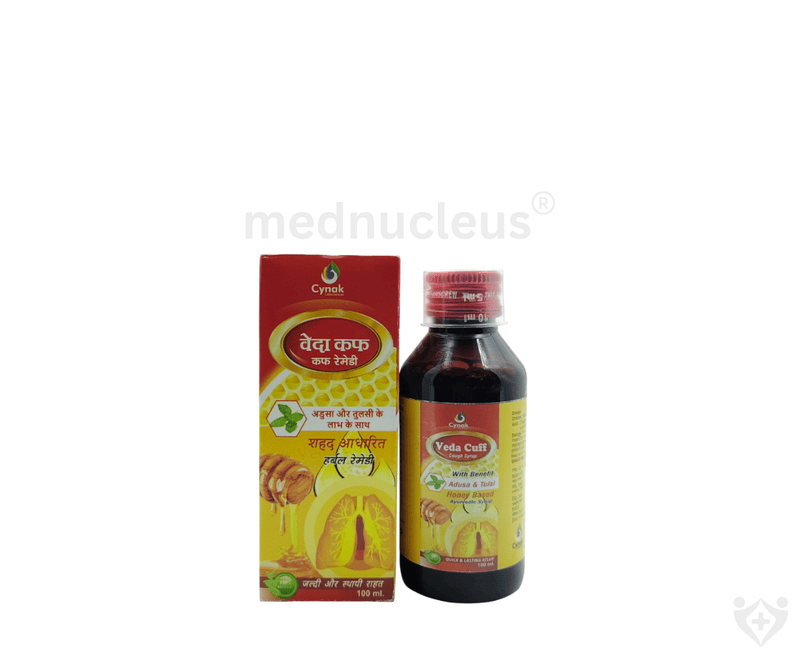
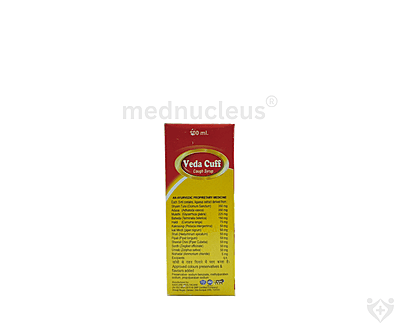
Category Name Respiratory Care — Herbal / Ayurvedic Cough & Throat Relief Syrup
Common Indications
- Dry and productive cough associated with cold, flu, and upper respiratory infections
- Sore throat and throat irritation
- Bronchitis and bronchospasm-related cough
- Allergic cough and post-nasal drip
- Hoarseness of voice
- Cough with expectoration and mucus congestion
- General respiratory congestion and discomfort
- Adjunct support in asthma-related cough
Common Dosing
- Standard Adult Dose: 10–15 ml (2–3 teaspoons) two to three times daily, or as directed by your doctor
- Children (6–12 years): 5 ml two to three times daily under medical supervision
- Shake well before each use
- Best taken after meals or as directed
- Duration: As prescribed — typically 5–10 days for acute cough
Always follow your doctor's or Ayurvedic practitioner's prescribed dose and duration.
Common Side Effects Herbal cough syrups are generally well tolerated. Possible mild effects include:
- Mild nausea or stomach discomfort (take after meals)
- Mild laxative effect with some herbal components
- Mild skin reactions in individuals sensitive to specific herbal ingredients (rare)
Consult your doctor if any side effect persists or worsens.
Common Interactions
- Sedative medications — Some herbal components with calming properties may enhance the effects of sedatives or CNS depressants
- Antidiabetic drugs — Certain herbal components may mildly influence blood glucose; diabetic patients should monitor glucose levels
- Anticoagulants — Some herbal ingredients may have mild antiplatelet properties; disclose all herbal supplements to your doctor
Special Instructions
| Condition | Guidance |
|---|---|
| 🤰 Pregnancy | Consult your doctor before using any herbal syrup during pregnancy. Not all herbal ingredients are safe during pregnancy. |
| 🤱 Breastfeeding | Consult your doctor before use during breastfeeding. |
| 🍺 Alcohol | Avoid alcohol during treatment — it worsens throat irritation and respiratory congestion. |
| 🚗 Driving | Some herbal components may cause mild drowsiness. Exercise caution if affected. |
| 🫀 Liver Disease | Use with caution. Herbal components are liver-metabolised. Consult your doctor. |
| 🫘 Kidney Disease | Use with caution in significant renal impairment. Consult your doctor. |
Mechanism of Action Vedacuff Syrup works through a combination of traditional Ayurvedic herbal actives. The typical key mechanisms include:
- Expectorant herbs (e.g., Vasaka/Adhatoda, Mulethi/Licorice): Stimulate bronchial secretions, reduce the viscosity of mucus, and facilitate its clearance from the airways — relieving productive cough and congestion
- Antitussive herbs (e.g., Tulsi/Holy Basil, Kantakari): Soothe irritated bronchial mucosa and reduce the cough reflex — relieving dry and irritating cough
- Anti-inflammatory and antimicrobial herbs (e.g., Ginger/Shunthi, Pippali/Long Pepper): Reduce airway inflammation, combat respiratory pathogens, and open constricted airways
- Throat-soothing demulcents (e.g., Honey, Mulethi): Coat and soothe irritated throat and pharyngeal mucosa, reducing pain and hoarseness
Note: Exact composition may vary. Refer to the product label or package insert for the complete list of herbal ingredients in Vedacuff Syrup.
Instructions to Take
- Shake the bottle well before each use
- Measure the dose using a measuring spoon for accuracy
- Take after meals to reduce stomach discomfort
- Do not dilute with water immediately before taking
- For throat irritation, take slowly — allow the syrup to coat the throat before swallowing
- Do not exceed the recommended dose
- Complete the prescribed course for full benefit
- Store in a cool, dry place away from direct sunlight. Keep out of reach of children. Check expiry date before use
This information is intended for general reference purposes only and should not be used as a substitute for professional medical advice, diagnosis, or treatment. Always consult a qualified healthcare professional before starting, changing, or stopping any medication.

